
Systems that fail without warning
Unexpected outages and recurring issues interrupt teams and reduce confidence in day-to-day operations.
OVERVIEW
TRIAD delivers structured managed IT with security-first standards, defined ownership, and senior oversight. We support organisations across Edinburgh and the Lothians that need reliable day-to-day operations instead of reactive support.
Senior-led delivery
Work directly with the lead consultant.
Defined scope & standards
Clear boundaries, documented delivery.
1 business-day response
Every enquiry answered within one business day.
A short senior-led review to identify operational gaps, reduce uncertainty, and clarify practical next steps.
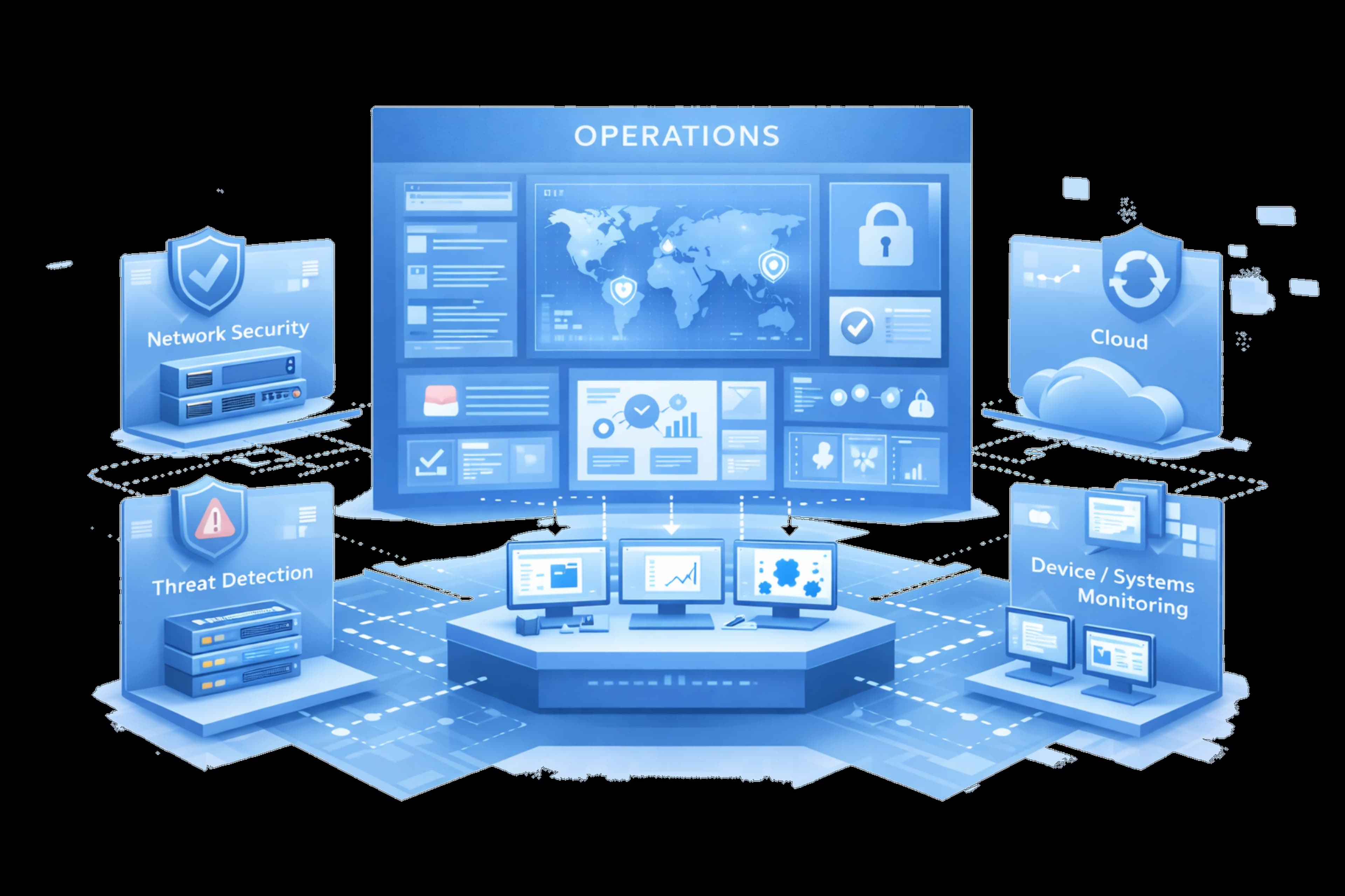
THE PROBLEM
Without structured ownership and standards, day-to-day IT becomes harder to trust. The result is recurring disruption, slower decisions, and unmanaged risk over time.
WHAT THIS CREATES
These are rarely isolated support issues. They are signs that ownership, standards, and review cadence are missing.
Unexpected outages and recurring issues interrupt teams and reduce confidence in day-to-day operations.
Unmanaged configurations and inconsistent controls increase exposure until incidents force urgent action.
Response becomes ticket-led rather than structured, causing delays and repeated disruption.
Critical infrastructure decisions are left unresolved when accountability and standards are not clearly defined.
MATURITY MODEL
TRIAD moves organisations up the maturity curve using defined standards, clear ownership, and a measurable operating rhythm.
Level 1
Level 2
Level 3
Level 4
DELIVERY MODEL
TRIAD combines defined standards, security-first delivery, and senior accountability into one operating model.
The stages below show the overall delivery rhythm. The tabs beneath show what that structure looks like in practice.
STABILISE
Bring the environment under control by improving visibility, reducing recurring issues, and establishing a predictable operating baseline.
SECURE
Apply consistent security baselines across identity, devices, and core services to reduce exposure and improve resilience.
IMPROVE
Use structured reviews and planning to drive continual improvement, lifecycle decisions, and measurable progress over time.
Infrastructure standards are applied consistently so environments remain stable, predictable, and supportable. This creates a dependable baseline for day-to-day operations and change.

Core infrastructure configurations are applied as standard during onboarding and maintained through review and ownership. This reduces drift and removes avoidable variation.
IN PRACTICE
Backups are treated as a recovery capability, not just a setup task. Coverage and success are monitored so recovery remains reliable when it matters.
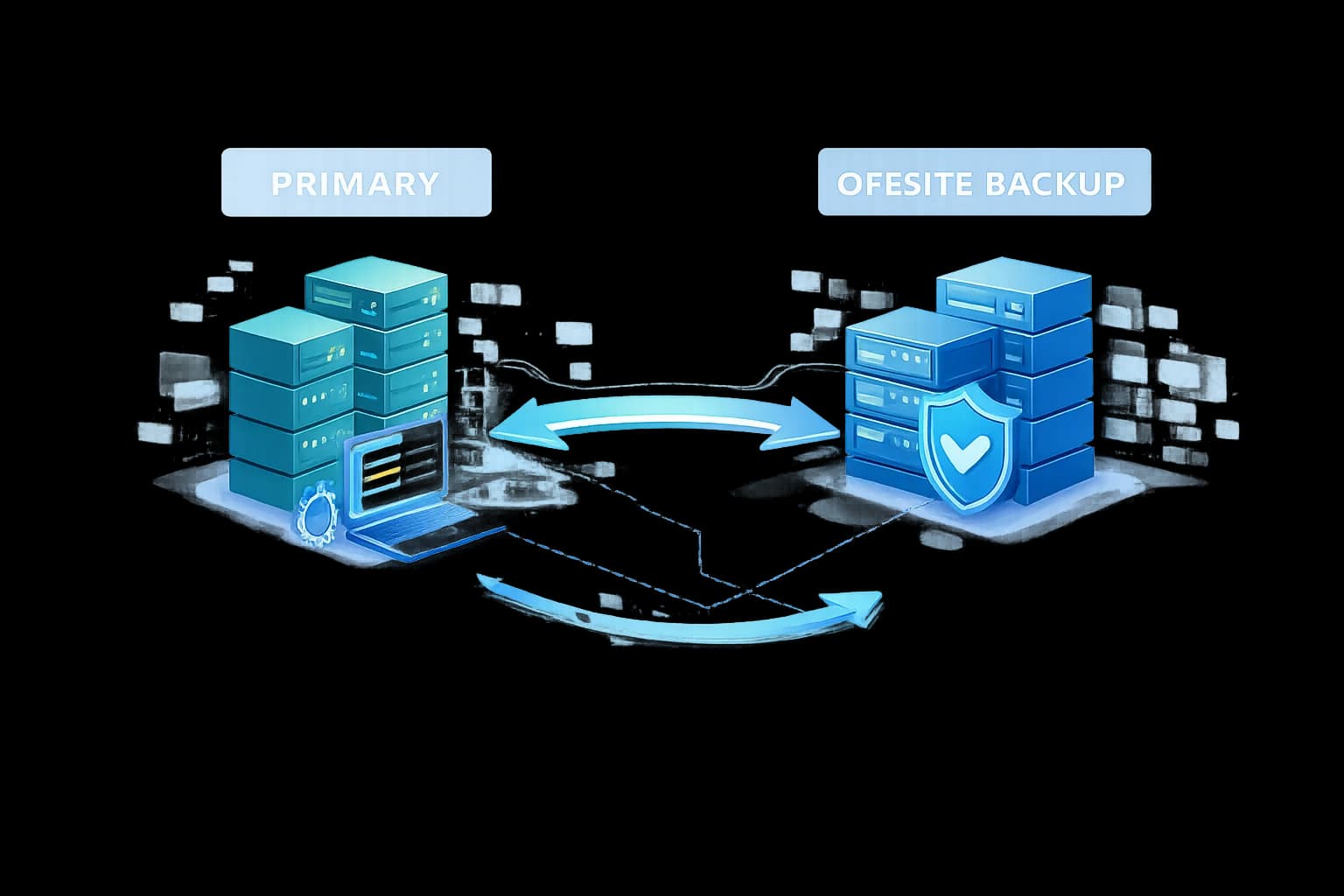
Operational signals are used to prioritise reliability improvements and reduce recurring disruption. This keeps the environment moving forward in a controlled way.
IN PRACTICE
Regular operational cadence ensures infrastructure decisions are intentional, prioritised, and owned. This creates accountability and predictable progress.
IN PRACTICE
SERVICE LANES
Structured services delivered through a single operating model.
Proactive management of your IT systems, ensuring stability, security and structured operational oversight.
Security-first design and continuous monitoring to reduce risk and protect organisational data.
Secure configuration and management of Microsoft 365 environments for reliable collaboration and communication.
Management of backup, recovery and core systems to maintain stable operations.
Senior oversight, roadmap planning and accountable governance to keep IT aligned with business operations.
DELIVERY RHYTHM
A simple operating cadence that keeps support, protection, recovery, and improvement moving together.
Defined support and service ownership keep day-to-day operations controlled.
Security baselines are applied consistently instead of reactively.
Backup and restore readiness are reviewed as operational disciplines.
Regular reviews turn insight into prioritised action and measurable progress.
RESOURCES
Practical guidance for pricing, security posture, and moving from reactive support to structured delivery.
Board-level clarity on pricing models, scope boundaries, and accountability expectations.
What businesses miss most often and how to close practical gaps without disruption.
A practical framework to move from firefighting to controlled, measurable operations.
A short senior-led review to clarify your biggest risks, the most practical next improvements, and whether structured IT management is the right fit.
No obligation. You’ll leave with a clearer view of risk, priorities, and whether structured support is the right next step.
What you’ll gain from the review: